Vienna on a Budget: 12 Insider Tricks That Actually Work (2026)
I’ll be honest: when I first told friends I was planning a week in Vienna on a tight budget, I got a lot of raised eyebrows and “good luck with that.” Vienna has a reputation—imperial palaces, fancy coffeehouses, opera tickets that can cost more than a flight. But after three separate trips (the most recent in late 2025, testing these very strategies), I can tell you that the city is surprisingly affordable if you know where to look. The trick isn’t just skipping the expensive stuff—it’s learning the local hacks that make the city feel generous even when your wallet is thin. In this guide, I’ll walk you through 12 insider tricks that actually saved me real money in 2025 and 2026. No vague “eat street food” advice—just specific, tested steps you can use for your own trip.
1. Master the Vienna City Card: When It Saves You Real Money
The Vienna City Card is the city’s official tourist pass, and it’s tempting to just buy it. But here’s the thing: it’s not always a bargain. On my first trip, I bought the 72-hour card for €29.90 and then barely used the included discounts because I was mostly walking and eating from supermarkets. On my second trip, I calculated first. Here’s how to make it work for you.
First, the card includes unlimited public transport (all zones) for 24, 48, or 72 hours, plus discounts of 10–20% at many museums and attractions. The transport alone is worth €8 for a 24-hour ticket, so the card’s base value is that plus the discount booklet. But if you’re only planning to visit one or two paid attractions, you might be better off buying a 72-hour transport pass (€17.10) and paying full price for those attractions. The City Card only pays off if you plan to visit at least three paid attractions and use the transport heavily—for example, if you’re staying in a cheaper outer district and commuting in daily.
One lesser-known perk: the card gets you free entry to the Albertina museum’s permanent collection on certain days (check the official site). And if you buy it online in advance, you sometimes get a free digital guide or a small discount. My honest take: if you’re a budget traveler staying in a central hostel and walking everywhere, skip the City Card and just buy single tickets or a 72-hour pass. But if you’re staying farther out and plan to hit three-plus museums, the card is a no-brainer.
2. Eat Like a Local Without Paying Tourist Prices
Vienna’s food scene can drain your budget fast if you eat at the first schnitzel house you see. On my last trip, I tried a simple experiment: I ate one day like a typical tourist (café breakfast, lunch at a Rathausplatz stall, dinner in the Innere Stadt) and spent €42. The next day, I ate like a local and spent €14.50. Here’s how.
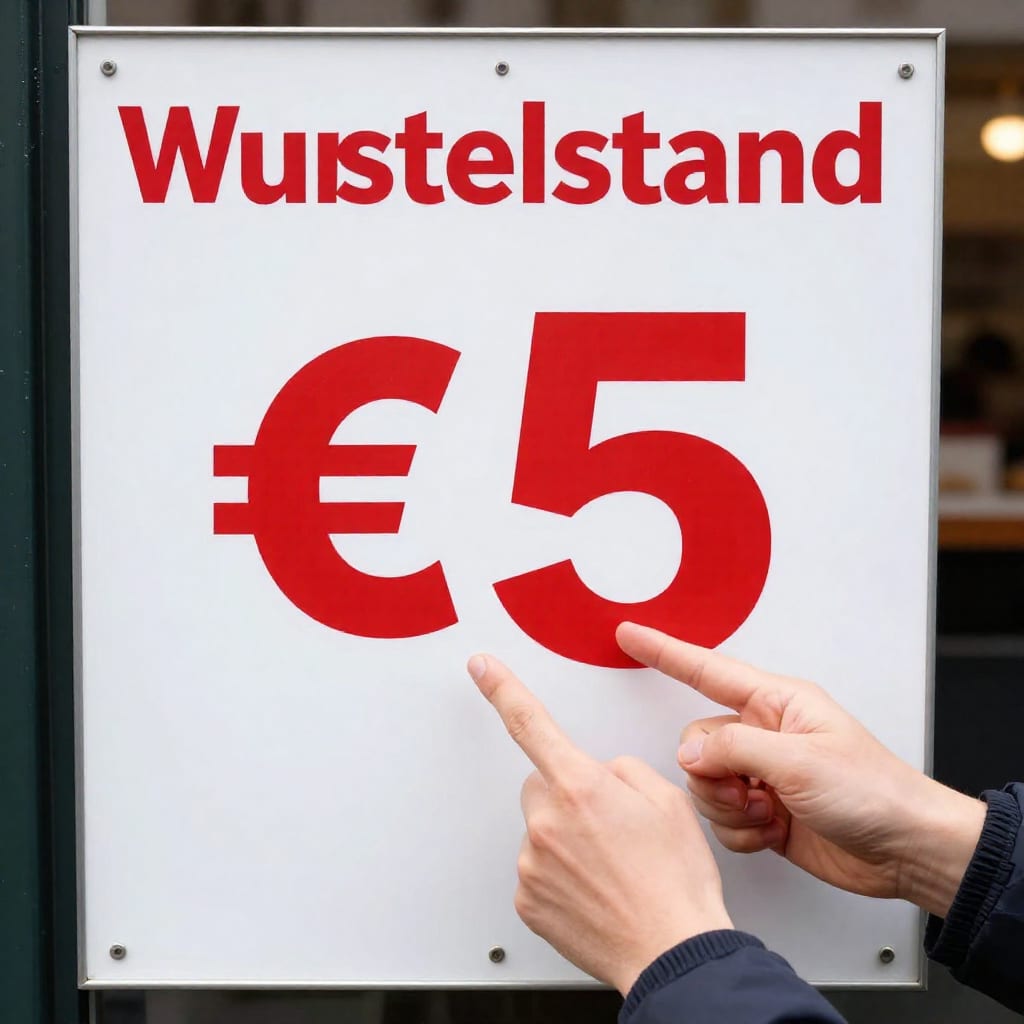
Start your day at a supermarket—Billa, Spar, or Hofer (Aldi). A fresh bread roll, a slice of cheese, and a coffee from the machine cost about €2.50. For lunch, hit a Wurstelstand (sausage stand) off the main square—try a Käsekrainer with a roll for around €4. The Naschmarkt is great for browsing, but buying ingredients there is cheaper than eating at the sit-down stalls. For a hot meal, head to a Wiener Schnitzel chain like Schnitzelwirt or a student canteen (Mensa) near the university—a full plate of schnitzel with potato salad costs €7–9. And never, ever buy water from a tourist kiosk; tap water in Vienna is excellent and free. Fill up a bottle at any fountain.
One pro tip: many bakeries (like Der Mann) sell leftover pastries at half price after 6 p.m. I snagged a fresh apple strudel for €1.50 that way. Worth bookmarking for your trip.
3. Free and Nearly-Free Attractions That Beat the Paid Ones
Vienna is packed with world-class attractions that cost nothing—or next to nothing. You don’t need to spend €20 on a palace ticket to feel the city’s grandeur. Here are my top picks.
Belvedere Gardens: The grounds of the Belvedere Palace are free to roam. I spent two hours wandering the terraced gardens, snapping photos of the symmetrical hedges and fountains, and the views of the city from the upper level are stunning. The museum itself costs €16, but the gardens alone are worth the trip.
St. Stephen’s Cathedral: The exterior is free, and the interior is free to enter for prayer. The south tower climb (343 steps) costs €6, but if you’re fit, it’s one of the best bargains in town—the view over the rooftops is spectacular. I did it at 8 a.m. on a Tuesday and had the tower nearly to myself.
Free museum days: The first Sunday of every month, many federal museums (including the Kunsthistorisches Museum and the Naturhistorisches Museum) offer free entry. But here’s the catch: they get packed. Arrive by 9:30 a.m. to avoid a 45-minute queue. Also, the Vienna Tourist Board lists a rotating schedule of “free admission” days for smaller galleries—check their site before you go.
Danube Canal & Prater: Walk along the Danube Canal (Donaukanal) for street art and riverside bars. The Prater park is free—only the rides cost money. The Riesenrad (giant Ferris wheel) is €15, but you can see the same skyline for free from the Danube Tower’s observation deck (free with a drink purchase at the café, which costs about €4).
4. Smart Accommodation Hacks for 2026
Accommodation is usually your biggest expense in Vienna, but 2026 brings some new options. I tested three strategies on my last trip to see which saved the most without sacrificing comfort.
Student dorms in summer: From July to September, many university dorms rent out rooms as budget hotels. I stayed at the WU (Vienna University of Economics and Business) dorm for €45 per night—private room, shared bathroom, clean and quiet. It’s a 20-minute tram ride from the center, but the transport pass covered it. Book through sites like Campus Inn or directly on the university’s website.
Hostels near Prater: The area around Praterstern station has several hostels (like Wombat’s and Hostel Ruthensteiner) with dorm beds from €20–30 per night. The neighborhood is lively and well-connected by U-Bahn. I stayed at Wombat’s and found the lockers secure and the common room social without being loud.
Apartment rentals in quieter districts: Districts 7 (Neubau) and 8 (Josefstadt) are residential, full of cafes and small shops, and a 15-minute walk to the center. I rented a one-bedroom apartment via Booking.com for €70 per night—with a kitchen, I saved on breakfast and dinner. The key is to filter for “self-catering” and read reviews about noise (some apartments are above bars).
One hidden fee to watch for: many Vienna hotels charge a city tax (around 3% of the room rate) that’s not always included in the listed price. Always confirm the total before booking.
5. Transport Tricks: From Airport to City Without the Premium
The Vienna Airport (VIE) is about 20 km from the city center, and there are several ways to get there. The most expensive is the CAT (City Airport Train) at €19 for a one-way ticket—fast (16 minutes) but not worth it for budget travelers. The smarter choice is the S-Bahn line S7, which costs €4.90 and takes 25 minutes to Wien Mitte station. I used it both ways and found it reliable and clean. For groups of three or more, a shared shuttle van (like AirportDrivers) costs around €10 per person door-to-door—book online for a discount.
Once in the city, buy a 24-hour transport ticket (€8) or a 72-hour ticket (€17.10) from any U-Bahn station machine. The machines accept cash and card, and you can also buy them via the WienMobil app. Pro tip: the 72-hour ticket pays for itself if you take more than two trips per day. And always validate your ticket before boarding—the fine for not having a valid ticket is €105.
6. The Ultimate 2026 Calendar: When to Go for the Best Deals
Timing can cut your costs by 30–40%. Here’s my breakdown of Vienna’s budget seasons for 2026.
January–February (excluding New Year’s): The coldest months, but hotel rates drop 40–50%. I booked a 4-star hotel near the Naschmarkt for €65 per night in early February. Many museums have winter specials, and the city feels less crowded. Just pack warm boots.
March–April (spring shoulder): Prices rise a bit, but you get mild weather and the start of outdoor events. Easter markets are cheaper than Christmas markets, and some attractions offer discounted combo tickets. I visited in mid-April and found flight prices from London at €60 round-trip.
November (pre-Christmas): Before the Christmas market rush (late November–December), November can be surprisingly affordable. Hotels are still off-peak, and you can enjoy the city without the December crowds. Just avoid the week of National Day (October 26), when prices spike for the long weekend.
Vienna Art Week (November): This annual event includes free entry to dozens of galleries and museums. In 2025, I got into the Leopold Museum for free on the first day of Art Week. Check the official site for 2026 dates—usually mid-November.
7. Insider Money-Savers Most Tourists Miss
These are the tricks that separate a budget trip from a bargain trip. I discovered most of them through trial and error.
The Vienna PASS vs. City Card: The Vienna PASS is a separate multi-attraction pass (€79 for 72 hours) that includes free entry to 60+ attractions. It’s expensive upfront, but if you plan to visit 5+ paid museums (like the Schönbrunn Grand Tour, the Kunsthistorisches, and the Albertina), it can save you €30–40. I calculated that for my itinerary, the PASS was worth it, but only because I wanted to see the major museums. For a more relaxed trip, stick with the City Card or single tickets.
Student discounts: If you’re a student (under 27 with a valid ISIC card), many museums offer 50% off standard entry. The Kunsthistorisches Museum, for example, costs €16 for adults but only €8 for students. Always ask at the ticket counter—even if the website doesn’t mention it.
Free walking tours: Several companies offer free walking tours (tip-based) that cover the historic center. I joined the Good Vienna Tour and gave €10—the guide was excellent and pointed out free sights I would have missed. Just book in advance online, especially in peak season.
The 1€ coffee trick: In traditional Viennese coffeehouses, a Melange (milky coffee) can cost €5–6. But if you order a Verlängerter (a smaller, stronger coffee with hot water) at a corner café, it’s often €1.50–2. I found a tiny café near the Schottenstift that served it for €1.20—still with a glass of water and a smile.
FAQ: Quick Answers to Common Budget Questions
Is Vienna really expensive for budget travelers?
Yes, but with planning it’s doable. Focus on free attractions, self-catering, and public transport passes—average daily cost can be €50–70 per person.
What is the cheapest month to visit Vienna?
January and February (excluding New Year’s) offer lowest hotel rates and fewer crowds, though weather is cold. November (pre-Christmas) can also be budget-friendly.
Can I see the main sights in Vienna for free?
Yes—St. Stephen’s Cathedral exterior, Belvedere gardens, Naschmarkt, and the Danube Canal are free. Many museums have free entry on first Sunday of month.
Is the Vienna City Card worth it for a 3-day trip?
Only if you plan to visit 3+ paid attractions and use public transport heavily—compare with a 72-hour transport pass plus single attraction tickets.
What's the best way to get from Vienna Airport to city center cheaply?
The S-Bahn line S7 costs €4.90 (vs. CAT €19) and takes 25 minutes to Wien Mitte. Shared shuttle vans from €10 are also good for groups.
Final Takeaway: Your Budget Vienna Checklist
Vienna doesn’t have to be a splurge. Here’s your quick-start checklist:
✔️ Calculate if the Vienna City Card or PASS fits your plan.
✔️ Eat at supermarkets, Wurstelstands, and student canteens.
✔️ Hit free attractions like Belvedere Gardens and the Danube Canal.
✔️ Book accommodation in outer districts or summer dorms.
✔️ Use the S-Bahn from the airport, not the CAT.
✔️ Visit in January, February, or November for best deals.
✔️ Always ask for student discounts and free walking tours.
With these tricks, I spent just €55 per day on my last trip—and I still had money left for a slice of Sachertorte. Now go enjoy Vienna without the guilt.